
Mazda Brake Pads
The question people ask is "at how many miles do Mazda brake pads need replacing", and the honest answer is that Mazda does not publish one — for any model in the 2026 lineup. What Mazda schedules is a disc brake inspection, and that is where the answer for your car comes from: a measurement, not a mileage.
What the Pad Service Covers
Measured first. Mazda gives no interval that would make replacement automatic, so the inspection is the whole basis of the recommendation.
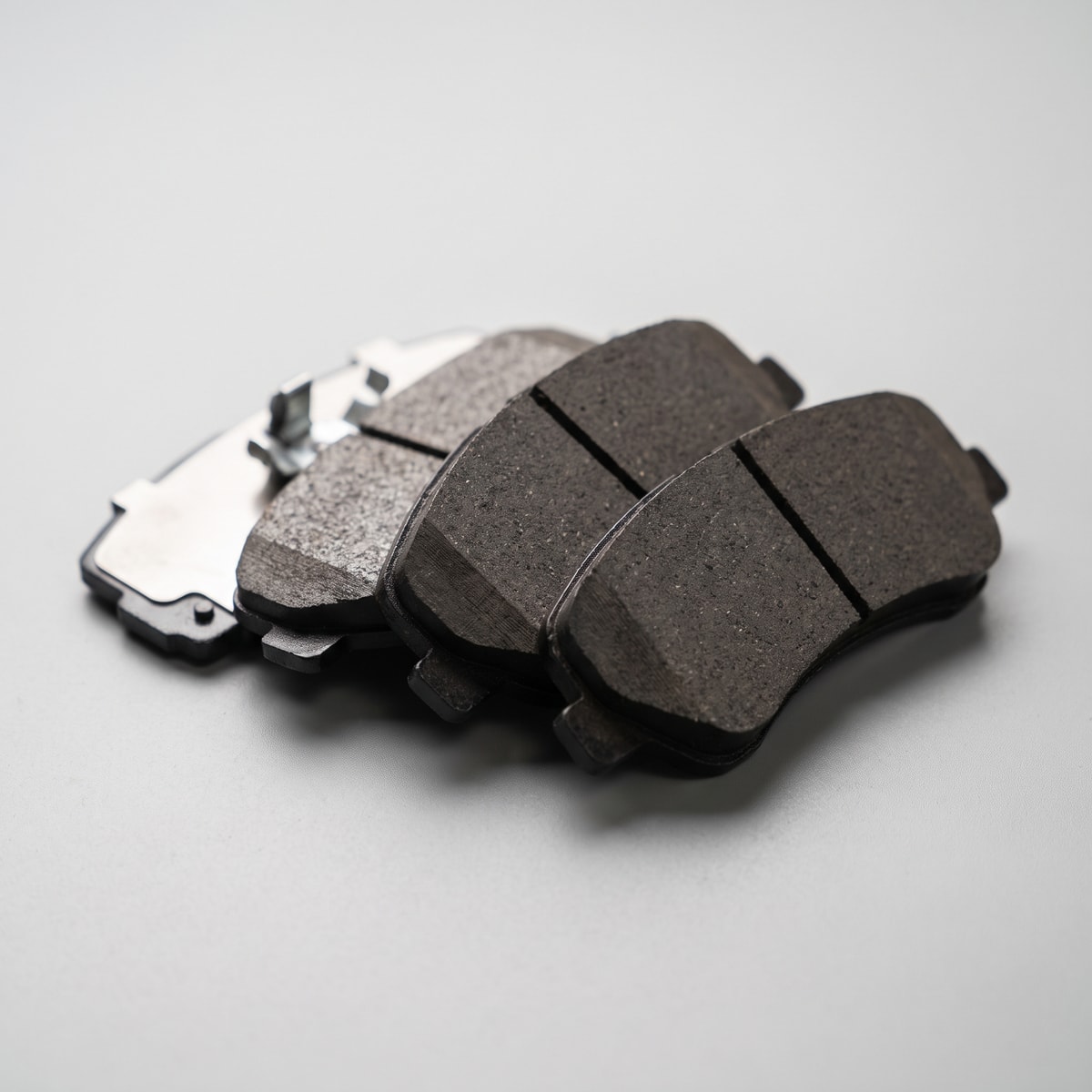
Matched to your model
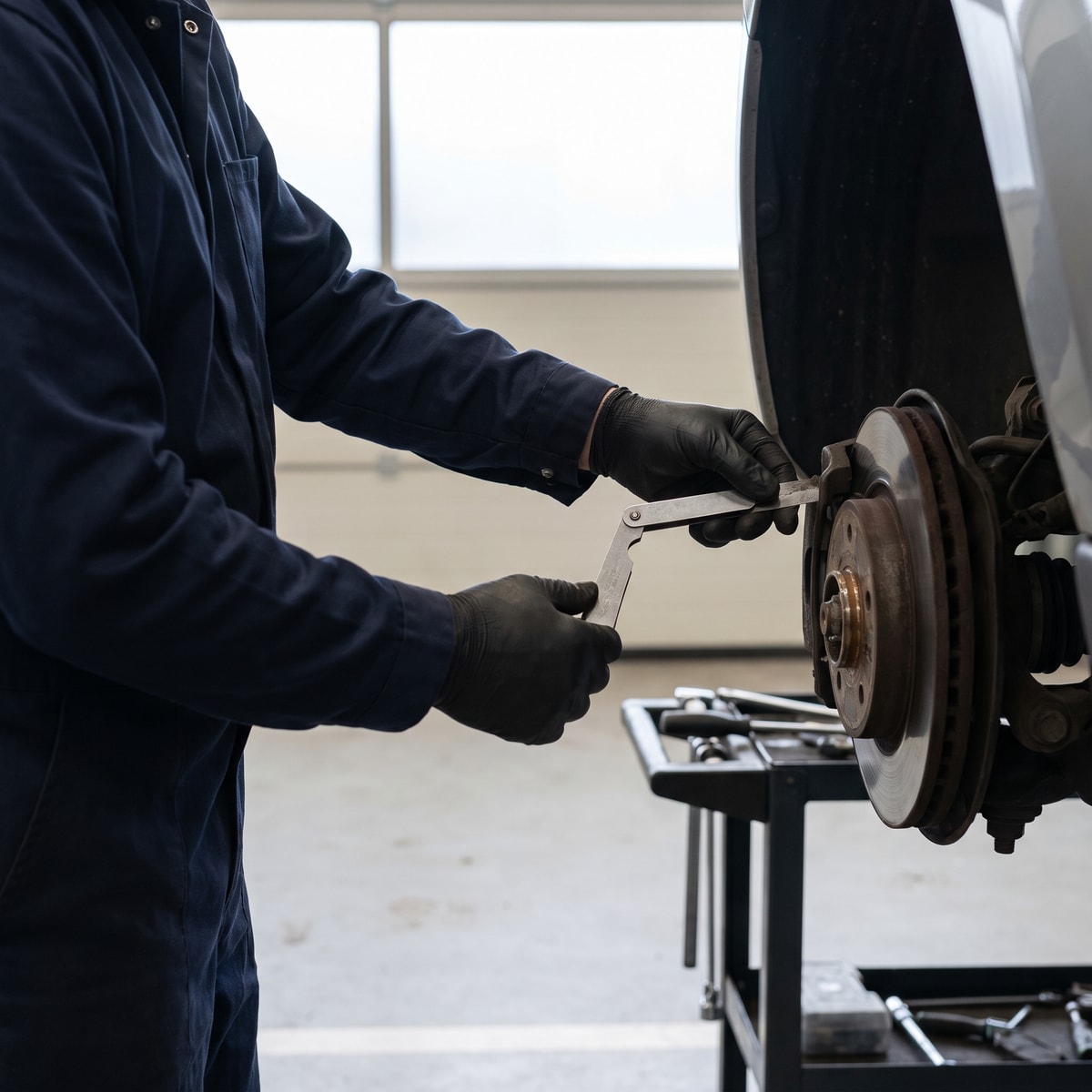
Recorded against the wear limit
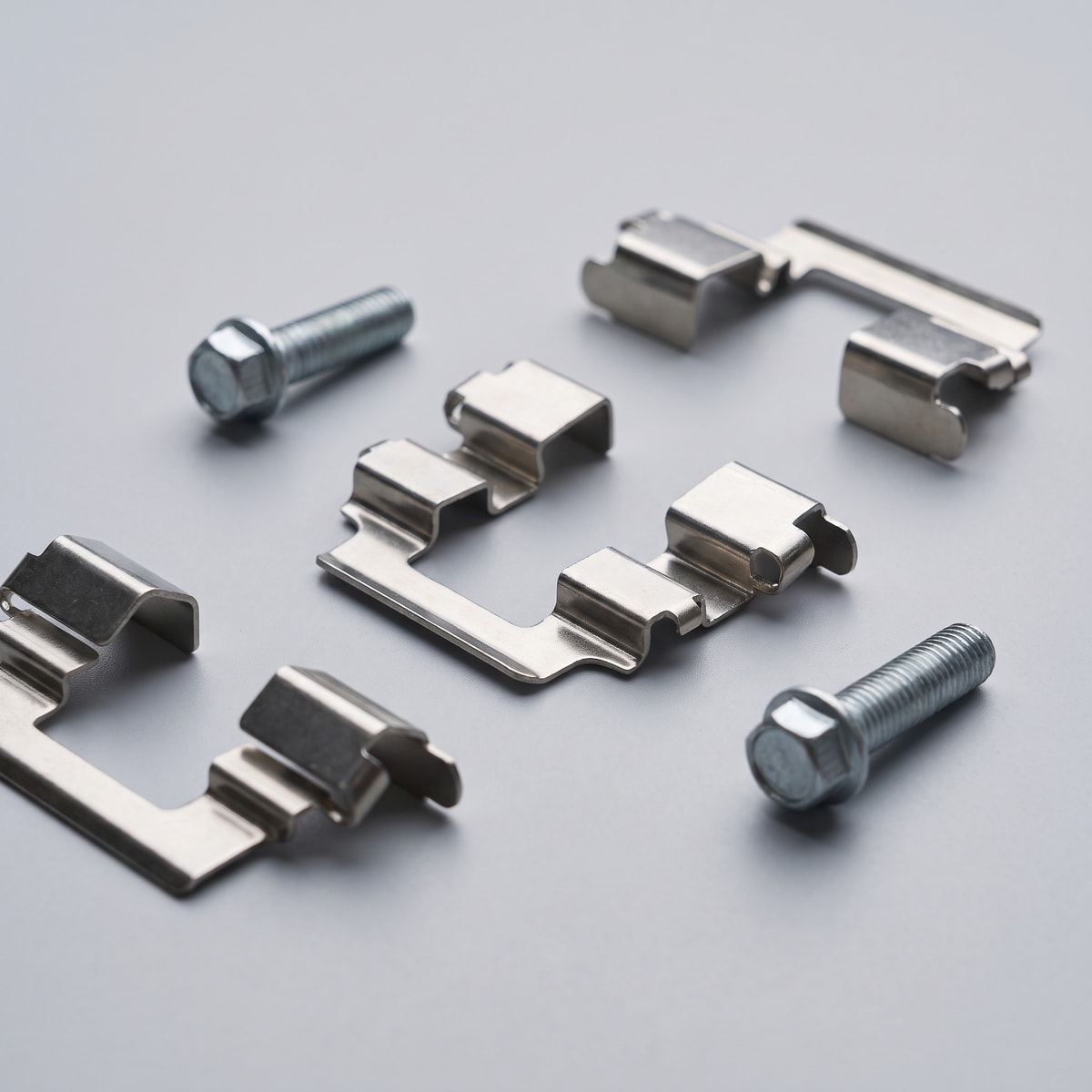
Cleaned and lubricated on refit
Inspected on Schedule, Replaced on Wear
Three sourced inspection intervals and one deliberate silence.
Sourced from the Scheduled Maintenance section of each model’s 2026 Mazda owner’s manual. Your own manual is the authority for your vehicle; bring the mileage and our team will read the table with you.
What Actually Wears Them
Four things that move pad life, none of which is on a calendar.
How You Brake
Stop-start traffic, towing and sustained descents all put more work through the pads than open-highway miles do. Two identical cars with the same odometer reading can be a long way apart.
A Caliper That Is Not Releasing
One pad wearing far faster than its partner is usually the caliper rather than the pad. It is the reason the inspection measures both sides.
Regenerative Braking
On the CX-50 Hybrid, CX-70 Plug-In Hybrid and CX-90 Plug-In Hybrid, regenerative braking plausibly does some of the work the pads would otherwise do. Mazda publishes nothing on how much, so this page does not quantify it.
The Discs They Run Against
Pads and discs wear as a pair. Replacing pads onto a disc that is out of specification does not give you the pad life the new parts were built for — see the brake rotors page.
Does Gulf Coast Driving Change the Inspection?
On the MX-5 pair it does, and Mazda says so. On most of the lineup it does not. Since there is no replacement mileage anywhere, what severe conditions can change is how often the pads are looked at.
Eight Models: No Weather Condition at All
On the Mazda3 Sedan, Mazda3 Hatchback, CX-30, CX-50, CX-70, CX-70 Plug-In Hybrid, CX-90 and CX-90 Plug-In Hybrid, Mazda lists three severe-driving conditions: extended idling or low-speed operation, driving mainly on unpaved or dusty roads, and driving mainly on mountain or uphill roads. Heat, humidity and rain are not on the list. If none of those describes how you drive, Mazda’s normal schedule is the one for your car.
CX-50 Hybrid: A Fourth Condition, for Load
The CX-50 Hybrid carries the same three conditions plus one more, and it is about load rather than weather: a heavily loaded vehicle — towing a trailer, using a camper, using a car-top carrier. Mazda maps that fourth condition to the transmission fluid and both differential oils, inspected at 20,000 miles and replaced at 40,000 miles, and not to the oil.
CX-5: Humidity Counts, Item by Item
The CX-5 is the one model where Mazda maps each severe condition to specific items rather than to the whole car. Extremely humid climates and extensive brake use move the brake fluid to annual replacement; short trips, extreme heat and heavy rain move the drive belt inspection to every oil change. Mazda triggers the 5,000-mile oil interval only from prolonged idling, unpaved or dusty roads and sustained mountain driving.
MX-5 Miata and MX-5 Miata RF: Schedule 2
These two work differently again. Mazda lists nine severe conditions and any one of them moves the car to Schedule 2 in full — and extremely hot conditions, extremely humid climates and repeated short-distance driving are all on that list. Schedule 2 brings 5,000-mile tire rotations, 5,000-mile brake inspections and 30,000-mile manual transmission oil. The oil itself stays on the flexible wrench-indicator interval unless the car is idled heavily or driven in dust.
Mazda Brake Pads Near Mobile, AL
Dean McCrary Mazda measures and replaces Mazda brake pads at our service department on the I-65 Service Road in Mobile, with genuine Mazda parts.
Mazda Publishes No Pad Mileage, on Any Model
This is worth being blunt about because the internet is full of figures. Across all twelve 2026 models the scheduled maintenance table contains a disc brake inspection and no pad replacement interval. Mazda leaves it out because pad life is a wear question, and a wear question is answered by measuring.
What the Inspection Interval Is
Every 10,000 miles or 12 months on ten of the twelve models. On the MX-5 Miata and MX-5 Miata RF, every 7,500 miles or 12 months under Mazda’s Schedule 1 and every 5,000 miles or 6 months under Schedule 2.
Mazda Brake Pads Questions
How many miles do Mazda brake pads last?⌄
Mazda publishes no figure, on any 2026 model. Pad life depends on how the brakes have been used rather than on distance alone, which is why Mazda schedules a disc brake inspection — every 10,000 miles or 12 months on ten of the twelve models — and no replacement mileage at all.
How do I know when my Mazda needs brake pads?⌄
By the measurement taken at the scheduled inspection. That is a number in millimetres of remaining friction material, and it lets you plan rather than react. Noise, a change in pedal feel or a pull under braking are all reasons to have it looked at sooner.
Do hybrid Mazdas go through pads more slowly?⌄
Regenerative braking plausibly does some of the work the pads would otherwise do on the CX-50 Hybrid, CX-70 Plug-In Hybrid and CX-90 Plug-In Hybrid. Mazda publishes nothing on the size of that effect, so this page will not put a number on it.
How much are Mazda brake pads?⌄
It depends on the model and on what the inspection finds, so current offers live on the service offers page rather than being written into this one.
