
Mazda Brake Service
Mazda’s braking schedule is three things: an inspection that happens often, a fluid interval that only half the lineup carries, and a deliberate silence about pads and rotors. Knowing which of the three you are being quoted is most of the value in this page.
What the Brake Service Covers
Everything Mazda schedules for the braking system, and a measurement for everything it does not.
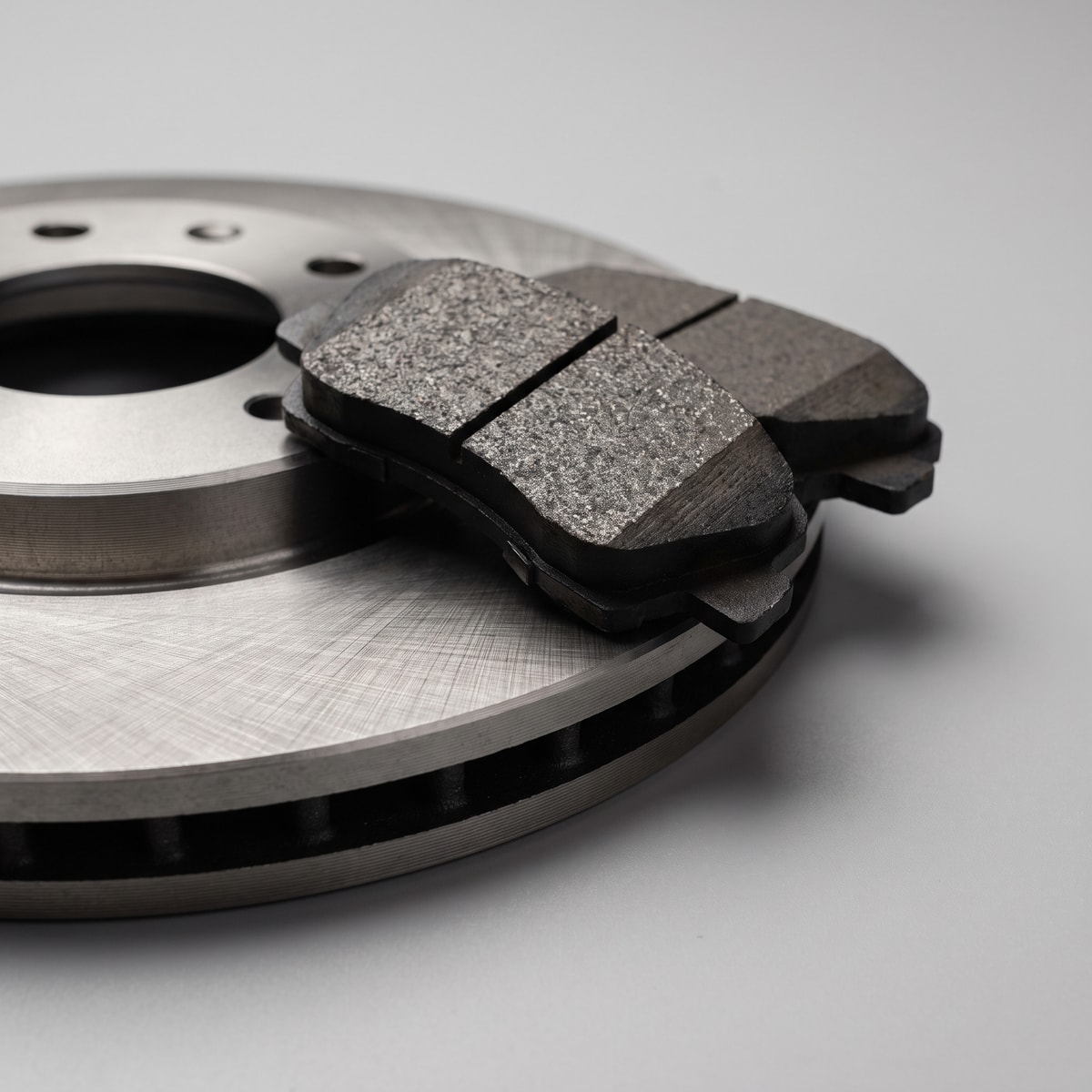
Genuine Mazda friction parts

Clips, shims and slide pins

Verified before the car goes back
Three Rows, Three Answers
Mazda splits the braking system into separate scheduled items and gives them different treatment. These are the manuals’ own figures.
Sourced from the Scheduled Maintenance section of each model’s 2026 Mazda owner’s manual. Your own manual is the authority for your vehicle; bring the mileage and our team will read the table with you.
Fluids, Parts and Rows That Vary
Four specifics, each scoped to the models Mazda scopes it to.
Brake Fluid Grade
SAE J1703 or FMVSS116 DOT-3 on the Mazda3 pair, CX-30, CX-5, CX-50 and both MX-5 body styles. Mazda Genuine Brake Fluid or equivalent, with no DOT grade named, on the CX-50 Hybrid, CX-70, CX-70 Plug-In Hybrid, CX-90 and CX-90 Plug-In Hybrid.
Vacuum Brake Booster
Inspected every 20,000 miles or 24 months on the Mazda3 Sedan and Hatchback, CX-30, CX-5 and CX-50. The other five models have no such row and no interval is quoted for them.
The Parking Brake
Mazda schedules a parking brake inspection on the MX-5 Miata and MX-5 Miata RF — every 15,000 miles or 24 months under Schedule 1, and every 15,000 miles or 18 months under Schedule 2.
Brake Lines and Hoses
Inspected every 20,000 miles or 24 months on the ten, and every 15,000 miles on the MX-5 pair. It is a separate Mazda row from the disc brakes.
What Severe Driving Changes for the Brakes
Two sourced changes, both narrow, and both worth knowing precisely rather than approximately.
Eight Models: No Weather Condition at All
On the Mazda3 Sedan, Mazda3 Hatchback, CX-30, CX-50, CX-70, CX-70 Plug-In Hybrid, CX-90 and CX-90 Plug-In Hybrid, Mazda lists three severe-driving conditions: extended idling or low-speed operation, driving mainly on unpaved or dusty roads, and driving mainly on mountain or uphill roads. Heat, humidity and rain are not on the list. If none of those describes how you drive, Mazda’s normal schedule is the one for your car.
CX-50 Hybrid: A Fourth Condition, for Load
The CX-50 Hybrid carries the same three conditions plus one more, and it is about load rather than weather: a heavily loaded vehicle — towing a trailer, using a camper, using a car-top carrier. Mazda maps that fourth condition to the transmission fluid and both differential oils, inspected at 20,000 miles and replaced at 40,000 miles, and not to the oil.
CX-5: Humidity Counts, Item by Item
The CX-5 is the one model where Mazda maps each severe condition to specific items rather than to the whole car. Extremely humid climates and extensive brake use move the brake fluid to annual replacement; short trips, extreme heat and heavy rain move the drive belt inspection to every oil change. Mazda triggers the 5,000-mile oil interval only from prolonged idling, unpaved or dusty roads and sustained mountain driving.
MX-5 Miata and MX-5 Miata RF: Schedule 2
These two work differently again. Mazda lists nine severe conditions and any one of them moves the car to Schedule 2 in full — and extremely hot conditions, extremely humid climates and repeated short-distance driving are all on that list. Schedule 2 brings 5,000-mile tire rotations, 5,000-mile brake inspections and 30,000-mile manual transmission oil. The oil itself stays on the flexible wrench-indicator interval unless the car is idled heavily or driven in dust.
Mazda Brake Service Near Mobile, AL
Dean McCrary Mazda services Mazda brakes at our service department on the I-65 Service Road in Mobile, with genuine Mazda parts and the fluid Mazda specifies for your model.
Inspection Is Frequent, Replacement Is Measured
Mazda marks the disc brake row at every service on ten of the twelve models — 10,000 miles or 12 months — and publishes no pad or rotor replacement mileage anywhere in the lineup. The frequency of the inspection is the point: it means the wear is being tracked rather than discovered.
Brake Fluid Splits the Lineup
Six models carry a 20,000-mile or 24-month replacement row; six publish none. And the CX-5 is the one model where Mazda ties Gulf Coast humidity to a service, moving its brake fluid to annual replacement.
Mazda Brake Service Questions
How often does a Mazda need brake service?⌄
Mazda schedules a disc brake inspection every 10,000 miles or 12 months on ten of the twelve 2026 models, and every 7,500 miles on the MX-5 Miata and MX-5 Miata RF under Schedule 1. Replacement of pads or rotors has no published mileage on any model — it follows the measurement.
Is brake fluid included in a brake service?⌄
Only where Mazda schedules it. The CX-5, CX-50 Hybrid, CX-70, CX-70 Plug-In Hybrid, CX-90 and CX-90 Plug-In Hybrid have a 20,000-mile or 24-month replacement row. The other six models get a level inspection at every service and no published replacement interval.
Does Mobile humidity affect the brakes?⌄
On the CX-5, Mazda says so directly: extremely humid climates and extensive brake use move the brake fluid to annual replacement. That is one of only two sourced Gulf Coast claims across the twelve models, and it applies to the fluid rather than to the pads.
How much is Mazda brake service?⌄
It depends on which of the three jobs is actually due, which is why pricing is kept on the service offers page rather than written into this one.
